

Introduction
Safetrode.com is associated with the industrial domain of electrical safety systems, particularly earthing, grounding, and lightning protection technologies. These systems form the backbone of modern electrical infrastructure, ensuring safe dissipation of fault currents and protection of human life, equipment, and large-scale industrial operations.
In today’s highly electrified environment, ranging from residential complexes to industrial plants and data centers, grounding systems are essential components of safety engineering. Safetrode.com represents the conceptual and industrial framework linked with these technologies, where electrical stability, fault current management, and soil resistivity control are central engineering priorities.
Safetrode.com and the Concept of Electrical Grounding Systems
Safetrode.com is connected with the broader engineering concept of electrical grounding systems, which are designed to provide a controlled path for electric current to safely enter the earth. This is a fundamental requirement in all electrical installations to prevent hazards caused by leakage currents, short circuits, or lightning strikes.
In engineering terms, grounding systems ensure that the potential difference between electrical equipment and the earth remains stable. Without proper grounding, voltage fluctuations can damage sensitive devices, disrupt industrial operations, and create severe safety risks for operators and infrastructure.
Importance of Earthing in Modern Electrical Infrastructure
Earthing systems are critical in modern infrastructure because they provide a safety mechanism that protects both humans and machines. In industrial environments, where high-voltage equipment operates continuously, even minor faults can result in catastrophic failures if proper grounding is not implemented.
Safetrode.com aligns with this essential requirement by representing systems and technologies that ensure fault current is safely discharged into the ground. This prevents overheating, electrical fires, and equipment breakdowns, which are common risks in ungrounded or poorly grounded systems.
Engineering Principles Behind Safetrode.com Systems
The engineering foundation of safetrode.com-related systems is based on the principle of low-resistance current flow into the earth. Electrical current always follows the path of least resistance, and grounding systems are designed to ensure that this path is safe and controlled.
Soil resistivity plays a major role in this process. Different soil types such as sandy, rocky, or clay-based soil affect how efficiently electricity is dissipated. Engineers often modify soil conditions using conductive compounds to improve grounding performance and maintain long-term stability of the system.
Grounding Electrodes and Their Functional Role
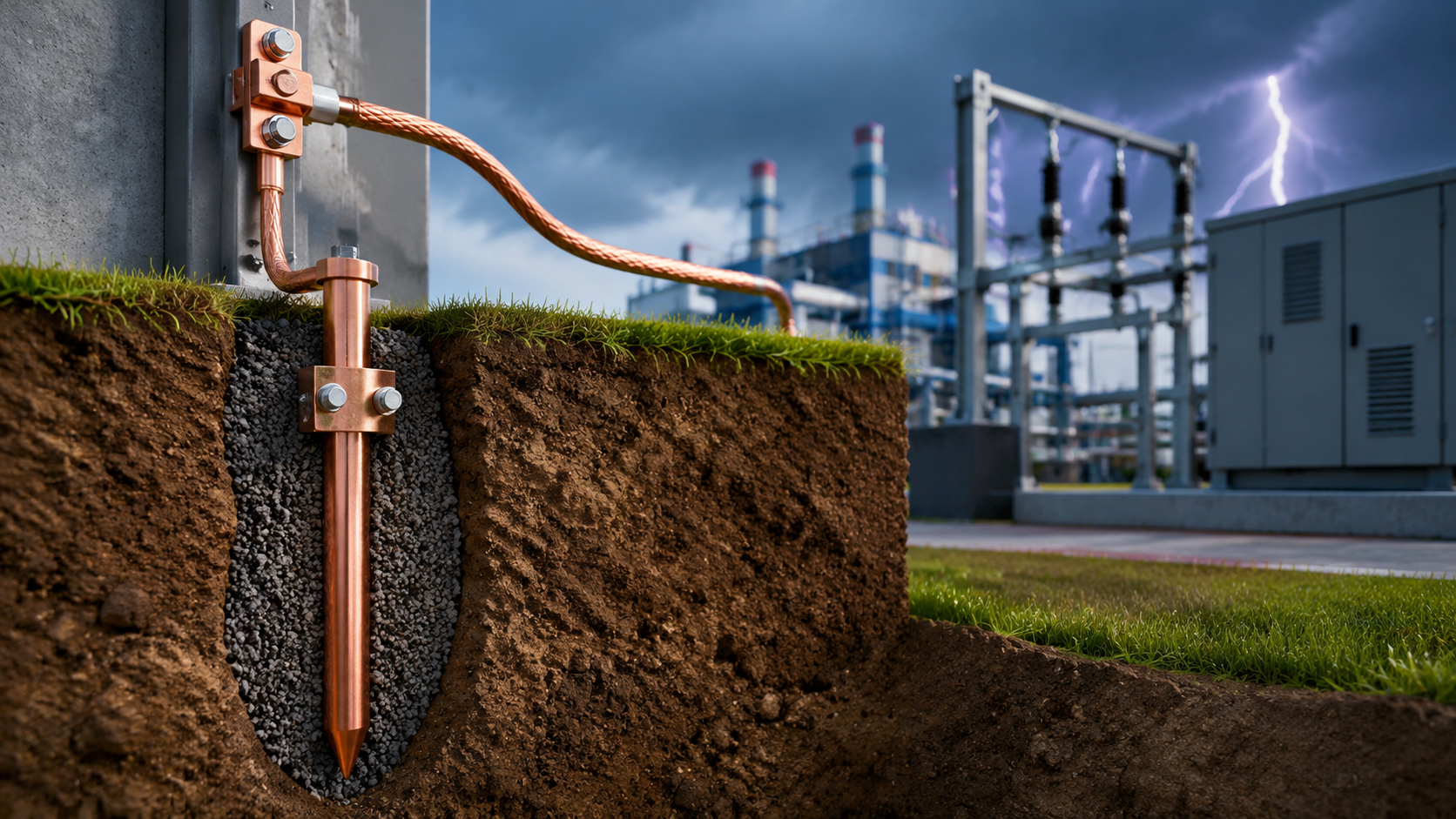
Grounding electrodes are a central component of systems associated with safetrode.com. These electrodes are typically metallic rods or plates installed deep into the earth to establish a direct electrical connection with the soil.
Their primary function is to transfer fault current safely into the ground. Materials such as copper-bonded steel or galvanized iron are commonly used due to their strength, conductivity, and corrosion resistance. The effectiveness of a grounding system largely depends on the depth, material quality, and installation method of these electrodes.
Chemical Earthing Systems and Soil Enhancement Technology
Chemical earthing systems are widely used in modern grounding installations where natural soil resistivity is high. These systems use conductive compounds that surround the electrode and enhance electrical conductivity by retaining moisture and reducing resistance.
Safetrode.com is conceptually linked to such technologies because they represent advanced grounding solutions designed for long-term stability. These compounds also reduce corrosion of electrodes and ensure consistent performance over time, even in dry or high-resistance soil conditions.
Lightning Protection and Safety Integration
Lightning protection is a critical extension of grounding systems, where safetrode.com-related technologies play a significant role. Lightning strikes carry extremely high electrical energy that must be safely redirected into the earth to avoid structural damage.
A complete lightning protection system includes air terminals, down conductors, and earth termination networks. The grounding system ensures that this massive surge of energy is safely dispersed without affecting the structural integrity of buildings or electrical installations.
Industrial Applications of Safetrode.com Technologies
The technologies associated with safetrode.com are used across multiple industries where electrical safety is a priority. In power generation plants, grounding systems protect transformers, generators, and transmission lines from fault currents and voltage surges.
In telecommunications, grounding ensures stable operation of towers, servers, and communication networks. Similarly, in oil and gas facilities, grounding systems prevent static discharge that could lead to hazardous explosions in volatile environments.
Role in Data Centers and Smart Infrastructure
Data centers require extremely stable electrical environments, and even minor voltage fluctuations can cause data loss or system failure. Grounding systems associated with safetrode.com ensure voltage stability and protect sensitive digital infrastructure.
Smart buildings and IoT-enabled environments also rely heavily on grounding systems to maintain operational stability. As automation increases, the importance of reliable earthing systems becomes even more critical for uninterrupted digital operations.
Material Science and Electrode Durability
The effectiveness of grounding systems depends heavily on the materials used in electrodes and connectors. Copper-bonded steel is widely used because it combines high conductivity with structural durability. It also resists corrosion, which is essential for long-term underground installations.
Advanced grounding systems also use protective coatings and anti-corrosion treatments to extend lifespan. These materials ensure that safetrode.com-related systems maintain consistent performance even in harsh environmental conditions such as high humidity or saline soil.
Soil Resistivity and Environmental Impact Factors
Soil resistivity is one of the most important factors in grounding system design. High-resistance soil reduces the efficiency of electrical discharge, making it necessary to engineer solutions that improve conductivity.
Environmental conditions such as moisture levels, temperature variations, and soil composition directly influence grounding performance. Engineers often conduct soil testing before installing systems to determine the most effective grounding configuration for a given location.
Safety Standards and Engineering Compliance
Grounding systems associated with safetrode.com must comply with international electrical safety standards. These standards define acceptable resistance levels, installation methods, and testing procedures to ensure reliability.
Compliance with engineering standards ensures that grounding systems perform effectively under fault conditions. Regular testing and maintenance are also essential to confirm that the system continues to meet safety requirements over time.
Technological Advancements in Grounding Systems
Modern grounding systems are evolving with advancements in materials science and electrical engineering. Maintenance-free grounding systems are increasingly being used in industrial applications to reduce operational costs and improve reliability.
Innovations such as moisture-retaining compounds, corrosion-resistant coatings, and modular electrode designs are improving system efficiency. These advancements make safetrode.com-related technologies more durable, scalable, and suitable for complex infrastructure projects.
Future of Earthing and Grounding Technology
The future of grounding systems is expected to integrate digital monitoring and smart diagnostics. IoT-based sensors will allow real-time monitoring of grounding resistance and system health, improving preventive maintenance strategies.
Artificial intelligence may also be used to predict grounding failures before they occur, increasing safety and reducing downtime. As infrastructure becomes more complex, intelligent grounding systems will become a critical component of modern electrical engineering.
Conclusion
Safetrode.com represents a conceptual alignment with the global electrical grounding and earthing industry, which is essential for modern infrastructure safety. These systems ensure controlled dissipation of electrical faults, protection from lightning, and long-term stability of electrical networks.
As industries continue to expand and rely on advanced electrical systems, the importance of grounding technologies will increase significantly. Safetrode.com reflects this broader engineering ecosystem where safety, durability, and electrical reliability remain the core priorities of infrastructure development.
